
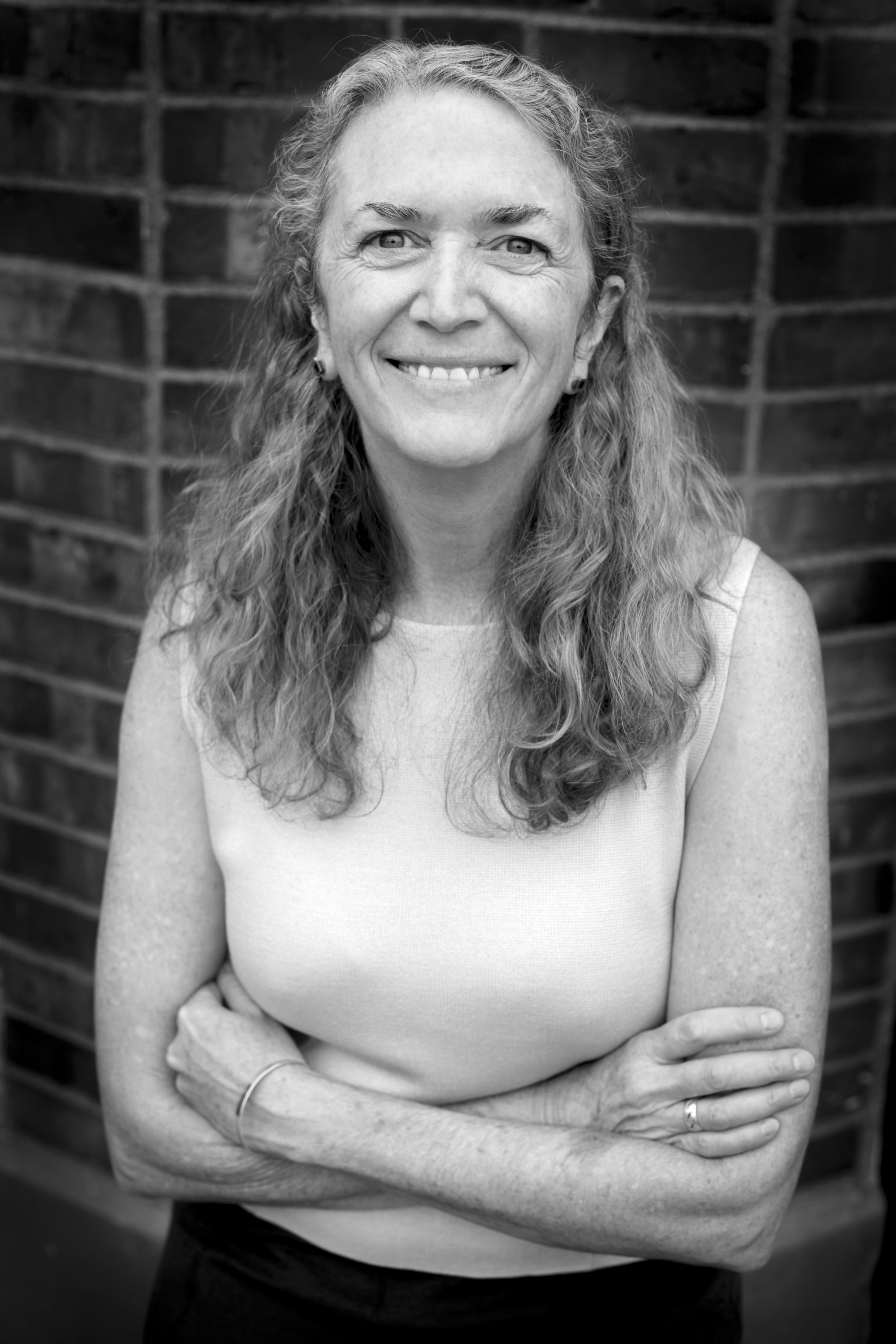
Sally Knodell (1960–2025)
Sally Knodell—architect, mentor, and leader in community-centered design—passed away in December 2025 in Bellevue, Washington, after a courageous, almost two-year journey with ALS. Over a career spanning more than four decades, she shaped childcare centers, community facilities, and civic spaces across Washington State, leaving a legacy defined by rigor, empathy, and deep respect for the people who use buildings every day.
Born in Illinois in 1960, Sally completed her Bachelor of Architecture at Cornell University in 1984, including a year of study in Italy through Syracuse University. After practicing with several small architectural firms, she began working with architect Jan Gleason, FAIA, in 1993. She joined Gleason in the transition to Environmental Works Community Design Center, where she would spend the majority of her career and make her most enduring professional contributions.
Beginning in the late 1990s, Sally developed a particular expertise in the design of childcare and community facilities—work that she found especially meaningful. She went on to lead community facilities design for Environmental Works, becoming widely respected for her ability to navigate complex regulatory environments while creating spaces that were warm, humane, and joyful. In 2002, she partnered with Jan Gleason to co-author Making a Place for Children, a childcare facility planning manual for Washington State that distilled years of design experience into a practical, values-driven resource for communities, designers, and policymakers.
Among the built projects Sally was most proud of were:
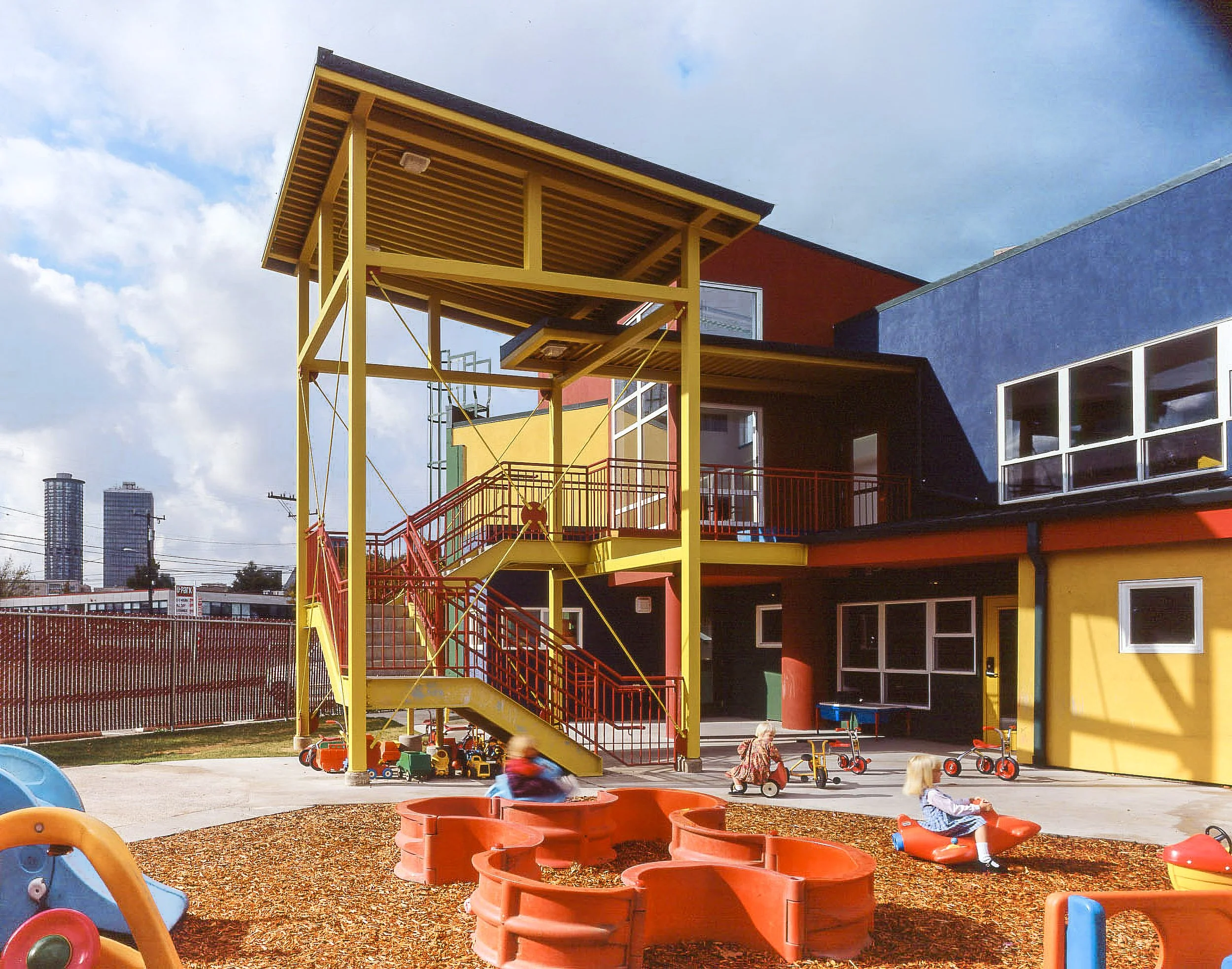
Cascade Children’s Corner (1999)
Developed by and located near the offices of The Seattle Times, this adaptive reuse of a former warehouse transformed an industrial shell into a vibrant urban childcare center. The project was selected as an AIA Seattle / Daily Journal of Commerce Project of the Month and praised for its inventive use of light, color, and multi-level spaces, as well as its ability to turn regulatory constraints into opportunities for creativity and connection. The facility became a touchstone for urban childcare design, illustrating Sally’s belief that environments for young children should support curiosity, dignity, and joy.
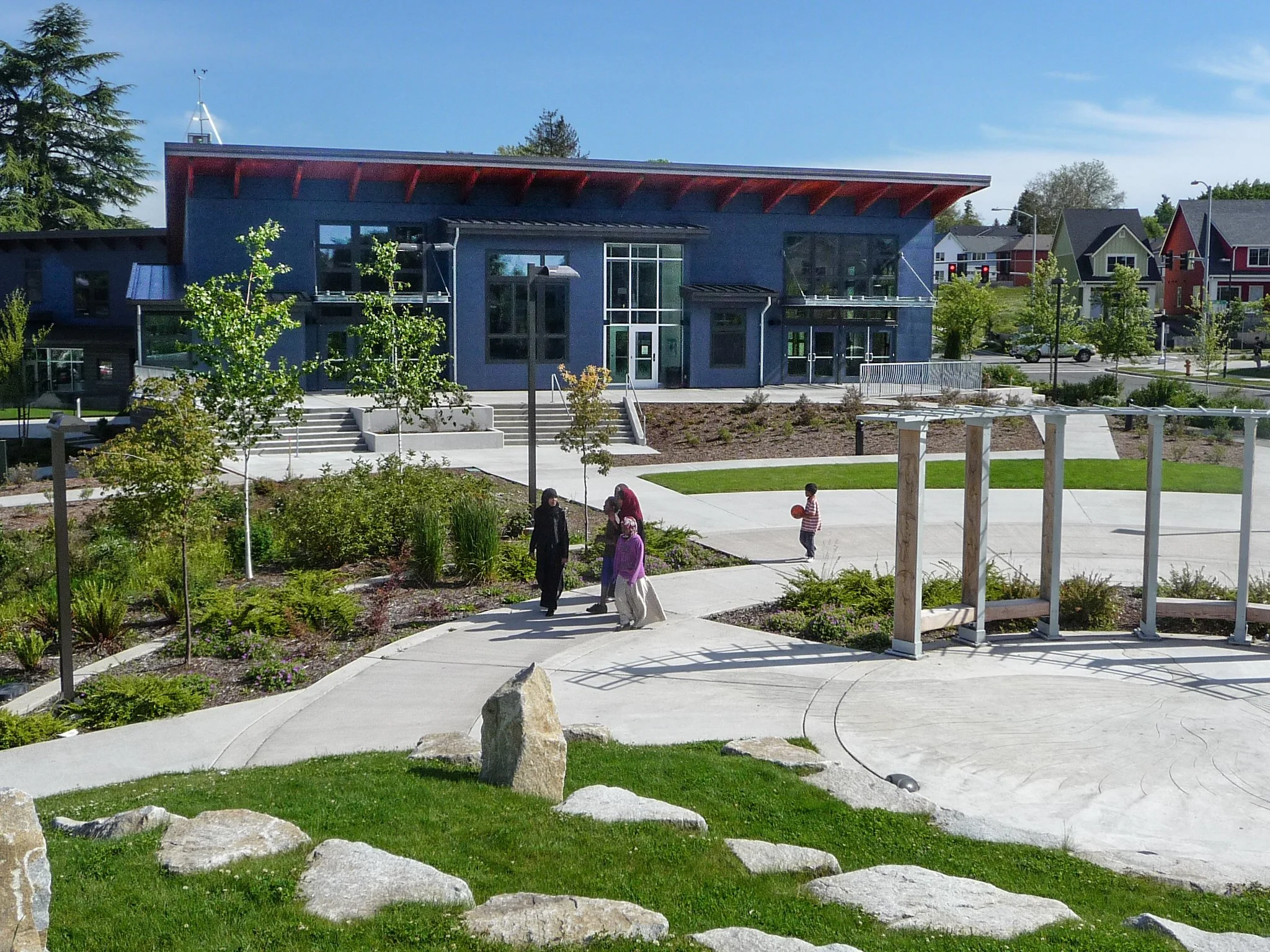
Neighborhood House High Point Center (2009)
A LEED Gold–certified, $13 million community facility in West Seattle, the High Point Center serves refugees, immigrants, and low-income residents within Seattle Housing Authority’s High Point neighborhood. The project integrates social services, recreation, and environmental stewardship, reflecting Sally’s commitment to equity, sustainability, and neighborhood-scale civic architecture.
Denise Louie Education Center: Beacon Hill (2005)
A complete transformation of an existing mixed-use building into a Head Start early learning center on Seattle’s Beacon Hill. The project provides multicultural care and education for up to 91 children ages 3–5 in four classrooms, along with family service and support spaces, and includes a thoughtful outdoor play area. Challenges included accommodating all program elements on a tight urban site and maximizing natural light and ventilation in the classrooms. The design reflects Sally’s philosophy of creating welcoming, accessible, and joyful environments that support early learning and community needs.
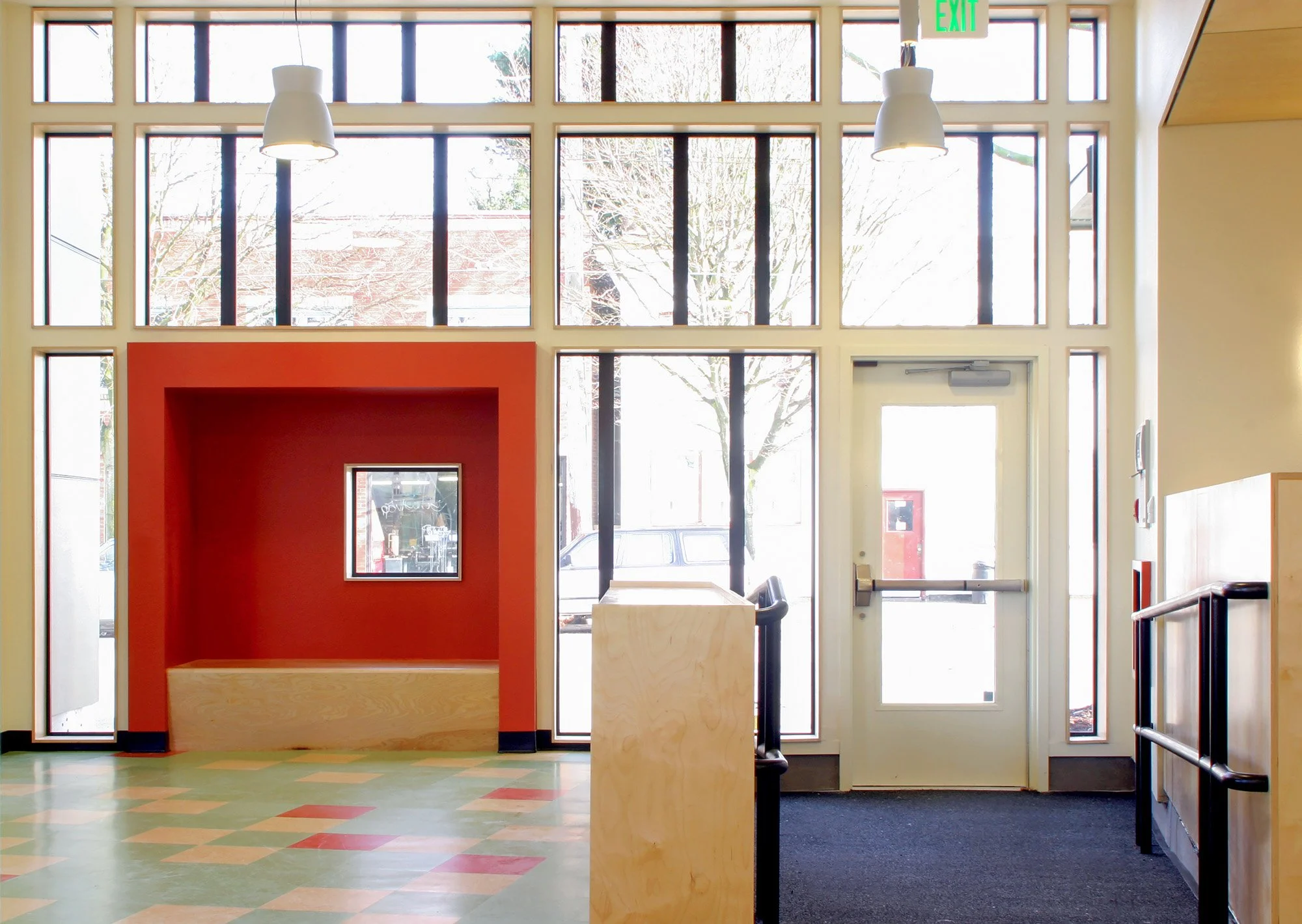
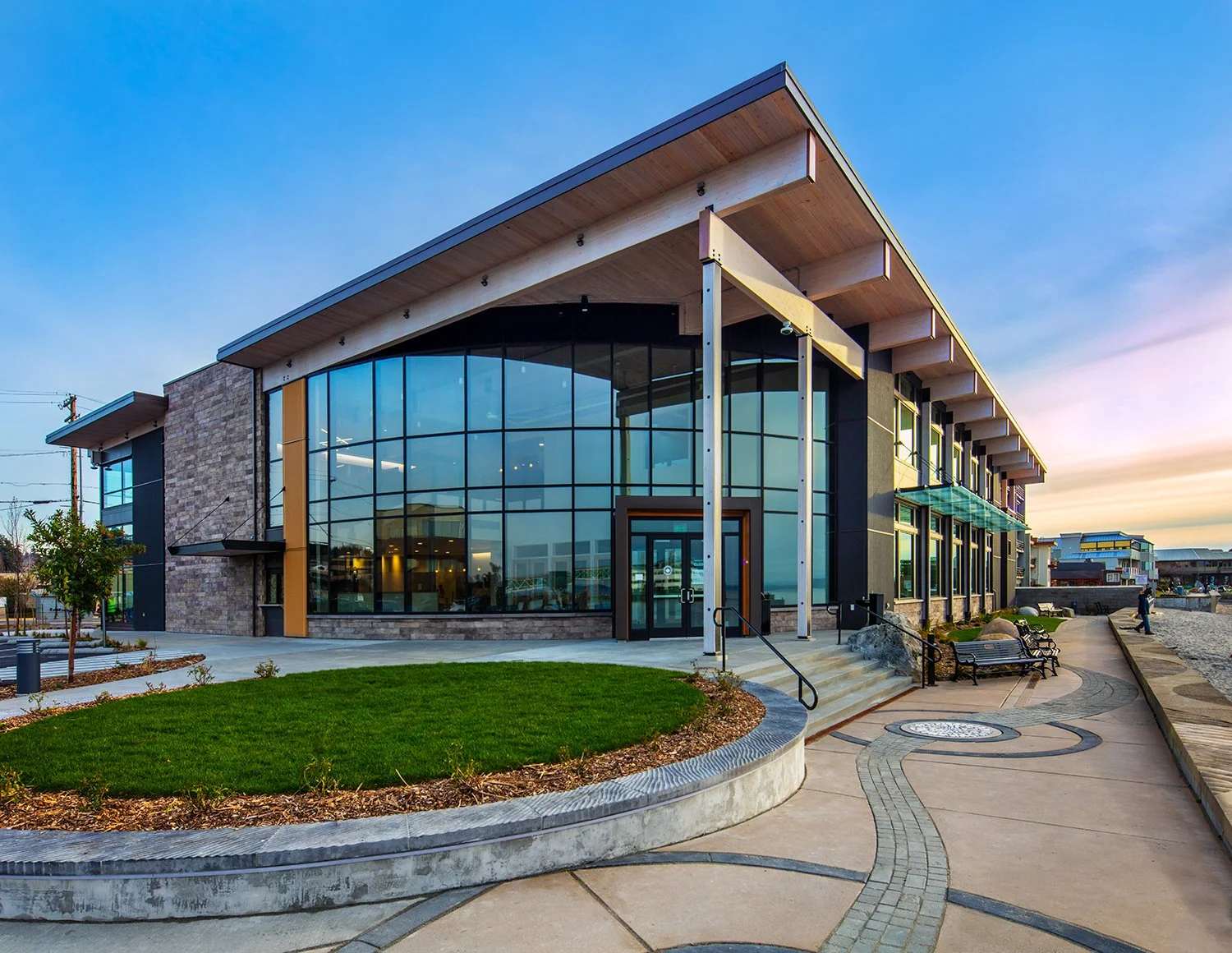
Edmonds Waterfront Center (2021)
A civic and senior center overlooking Puget Sound, the Edmonds Waterfront Center balances accessibility, flexibility, and a strong relationship to place. The project reflects Sally’s long-standing commitment to designing spaces that support aging with dignity and connection—an approach that resonated across all of her work.
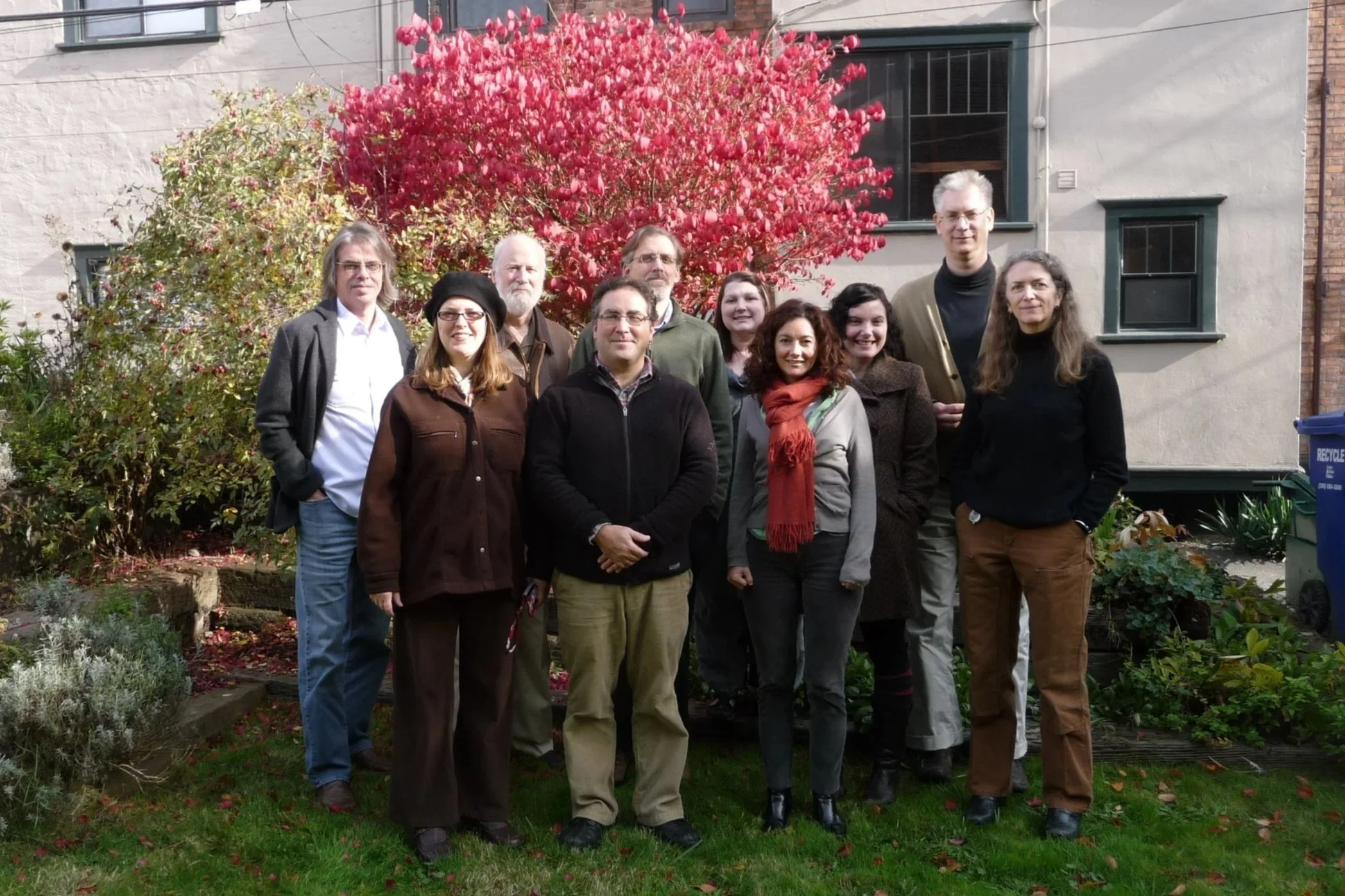
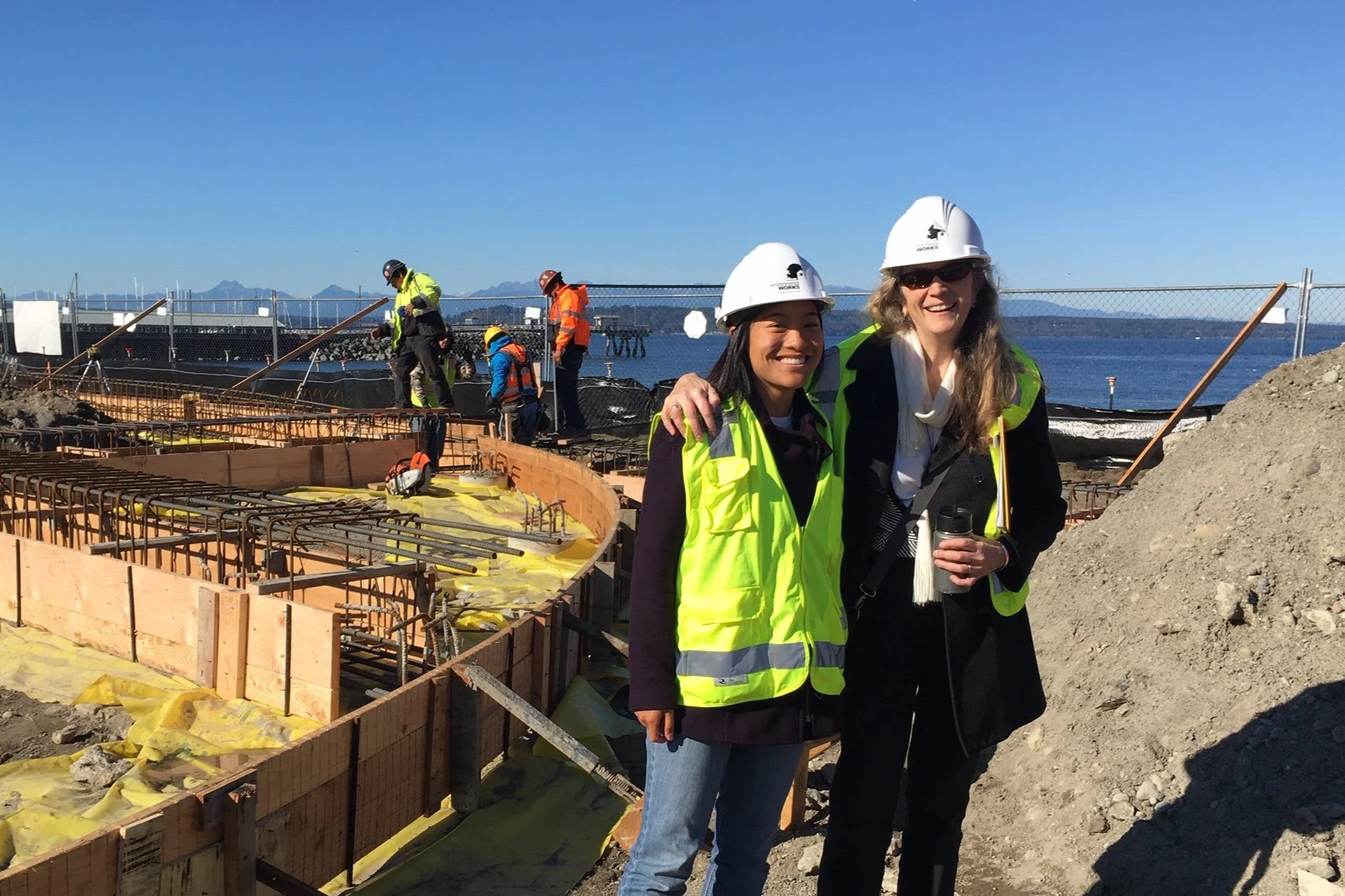
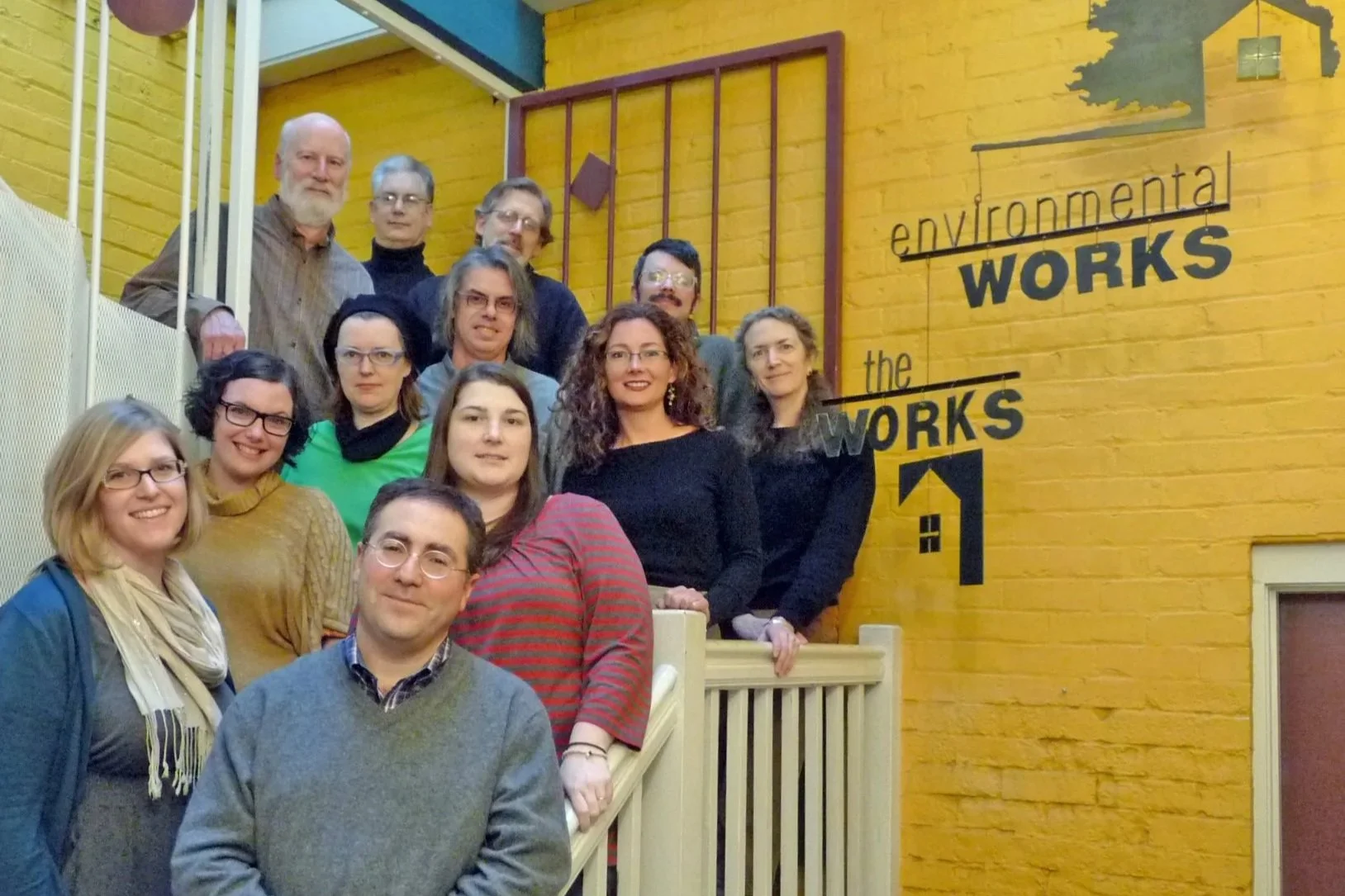
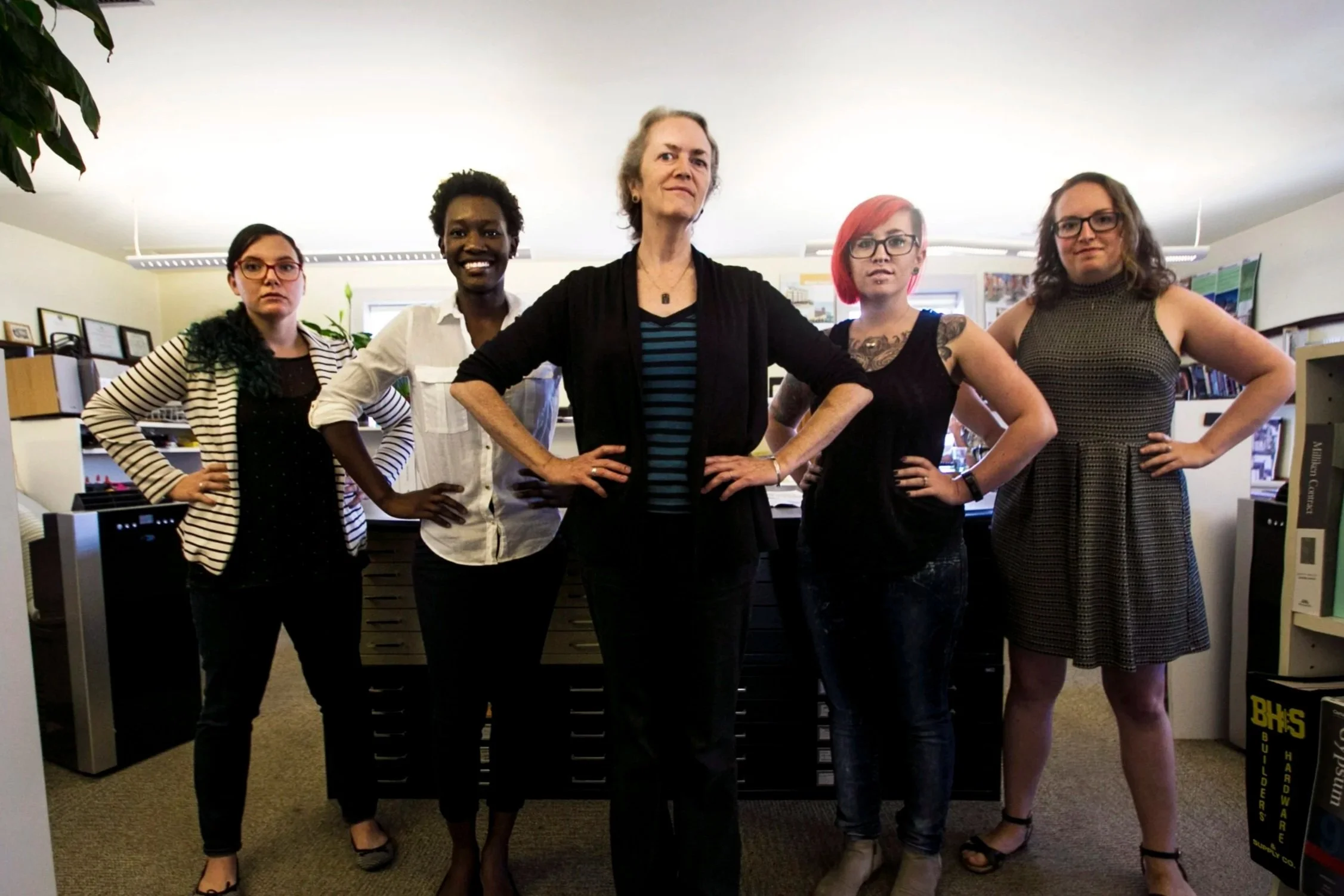
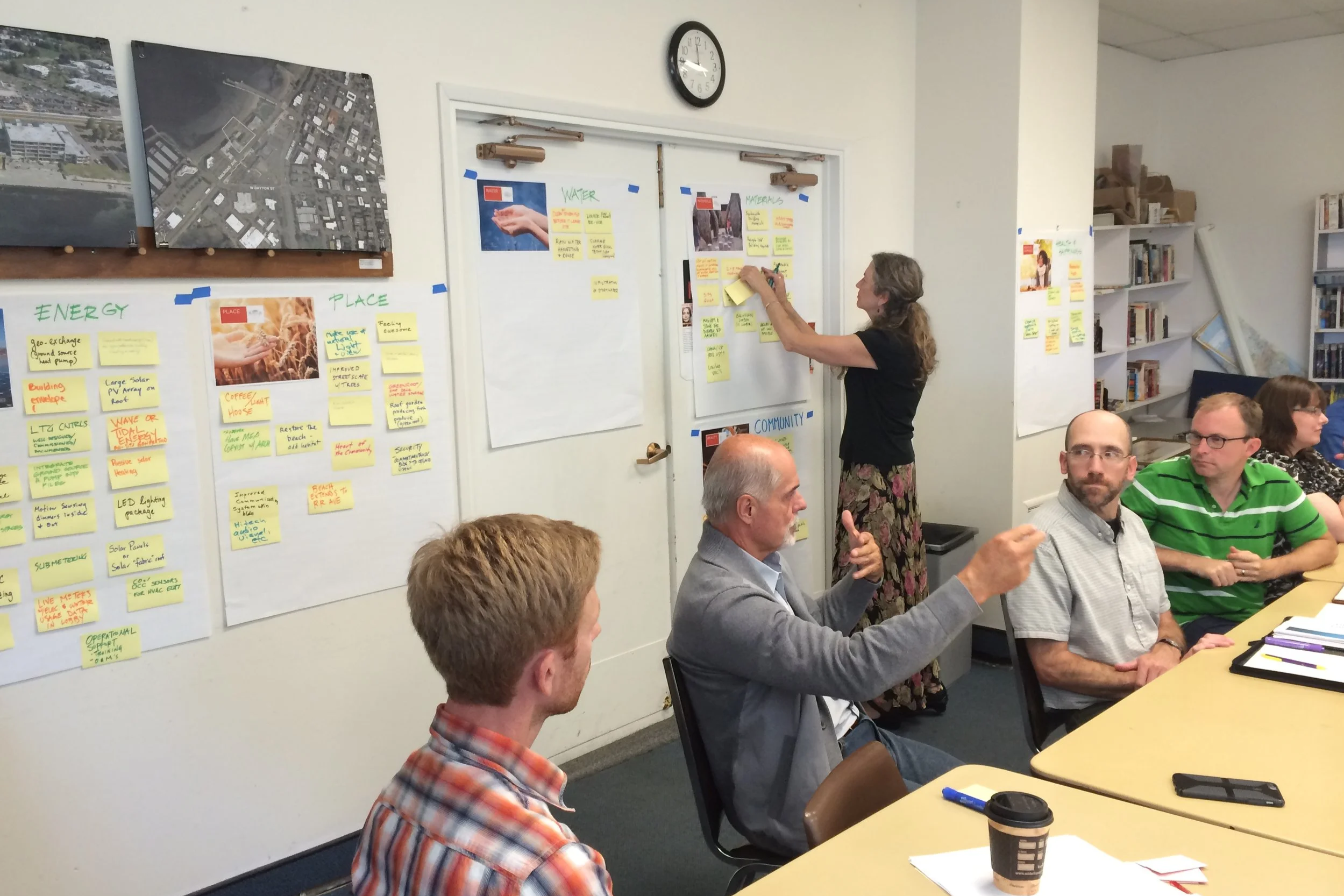
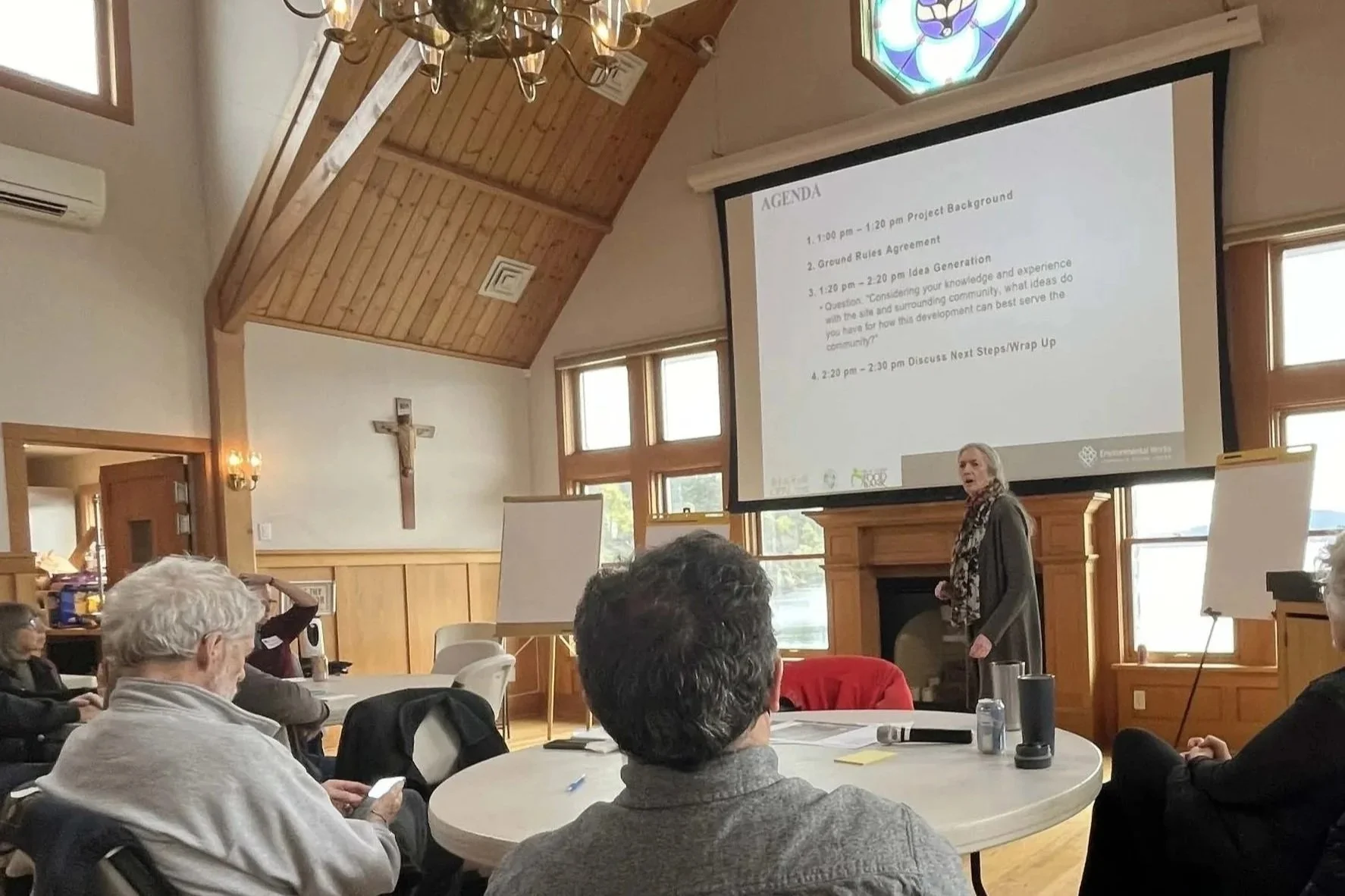
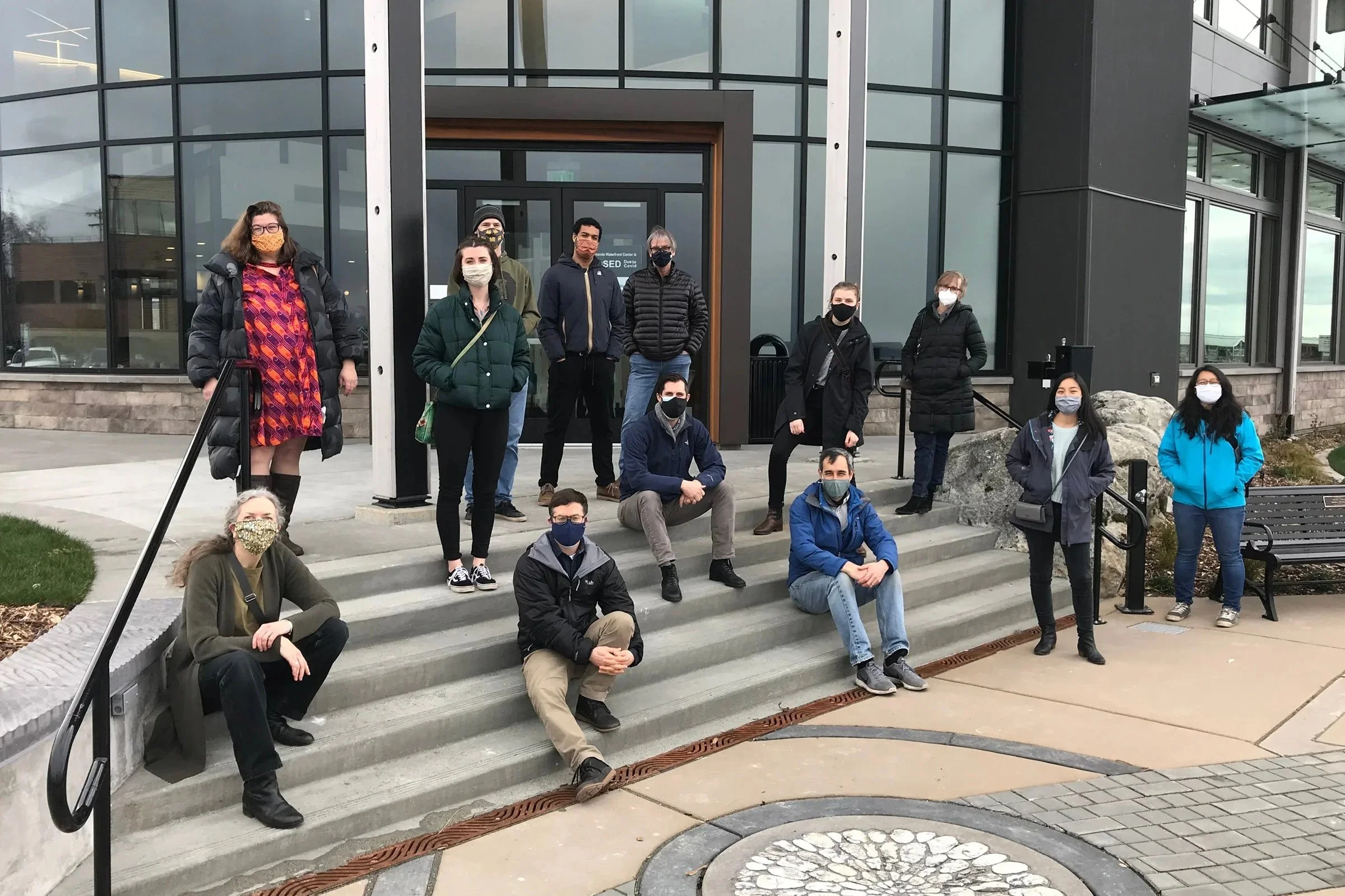
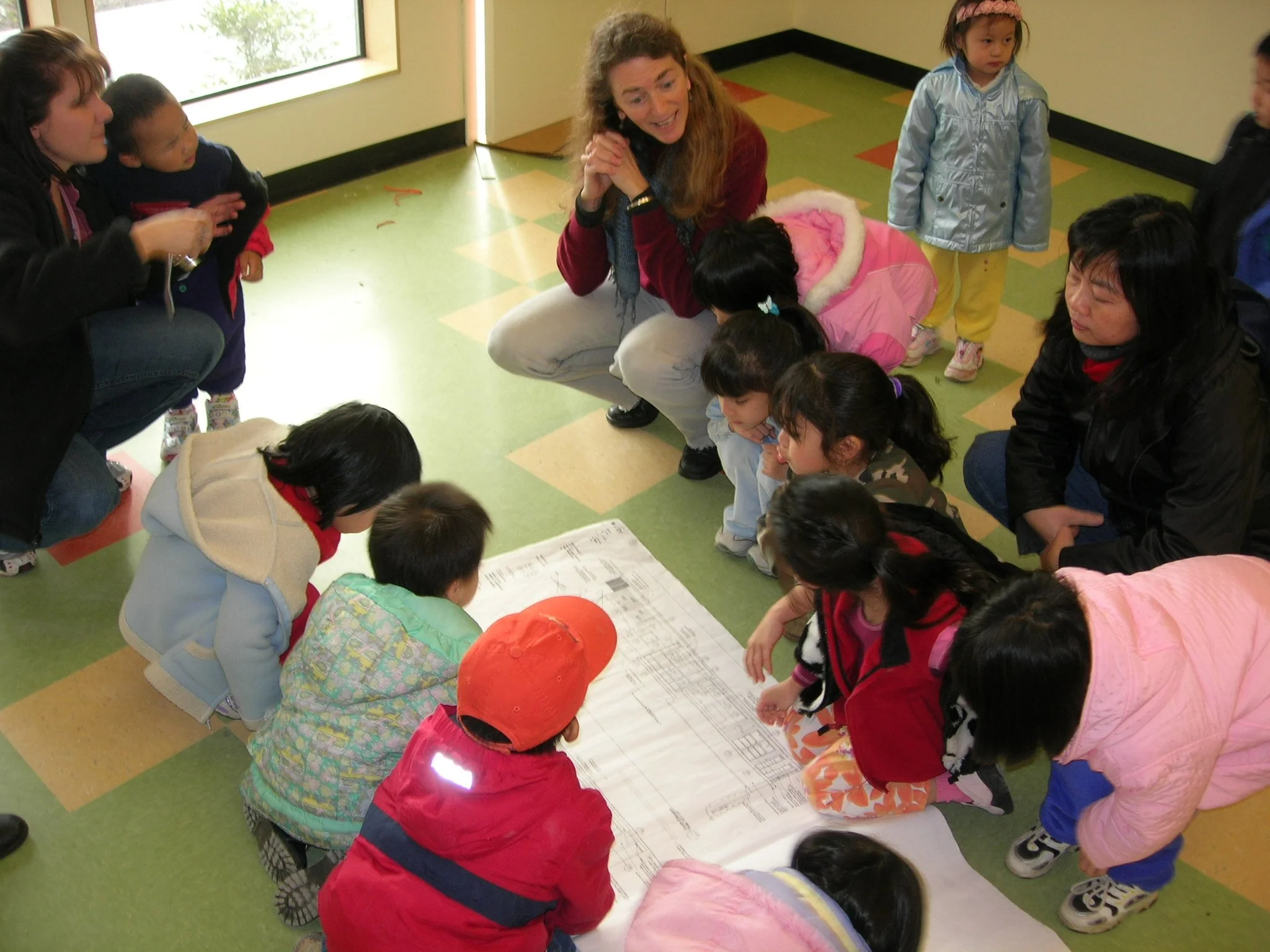
Sally’s design style was marked by clarity, care, and attentiveness to everyday experience.
She was known for her meticulous approach to detail and her insistence that buildings should feel good to the people who inhabit them. Colleagues and mentees recall her as a thoughtful listener and generous teacher—someone who asked careful questions, gave precise critiques, and modeled an architectural practice grounded in service. Many architects who worked with Sally credit her with shaping not only their technical skills, but their understanding of what it means to practice architecture ethically and in partnership with community.
In recognition of her many professional contributions, Sally received the AIA Seattle Community Service Award in 2025, an award that recognizes practitioners who exemplify “the application of architectural skills, values, and dedication to the advancement of community goals.”
In honor of Sally’s life and work, donations may be made to organizations supporting early childhood education and immigrant families, including Neighborhood House and Denise Louie Education Center.
Sally practiced architecture at Environmental Works until late 2024. Her legacy lives on in the buildings she helped create, the many designers she mentored, and the communities she served. Her work continues to demonstrate how architecture, at its best, can support care, dignity, and belonging.