
FLAGS ARE MEANINGFUL
What flags are at the fire station now?

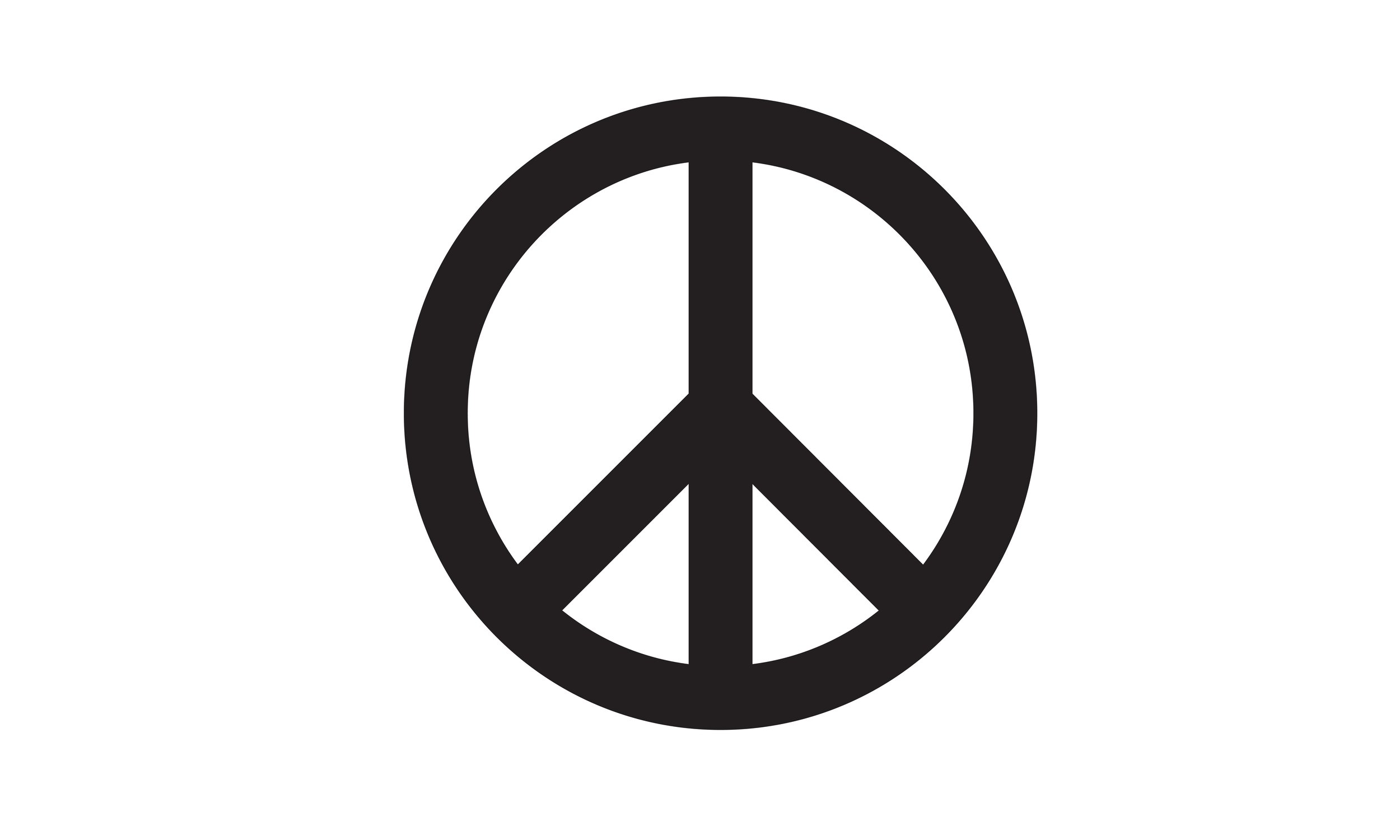
PEACE FLAGS
The peace symbol was created in 1958 by British artist and designer Gerald Holtom. Holtom designed the symbol for use in the Campaign for Nuclear Disarmament, a British anti-nuclear organization. The symbol was first used in a march from London to the Atomic Weapons Research Establishment in Aldermaston, England. Over the years it has become one of the most recognizable symbols in the world, and its meaning has expanded beyond its initial anti-nuclear origins to encompass an overarching message of peace, unity, and social justice.
In September, we displayed flags from the Peace Flag Movement, in honor of the International Day of Peace. The UN established September 21st as the International Day of Peace in 1981, and in 2001 designated the holiday as a cease-fire. With a design referencing the Italian Pace da Tutti i Balconi movement in protest of the US invasion of Iraq in 2002, the Peace Flag Movement works to build solidarity and connection through the distribution of flags.
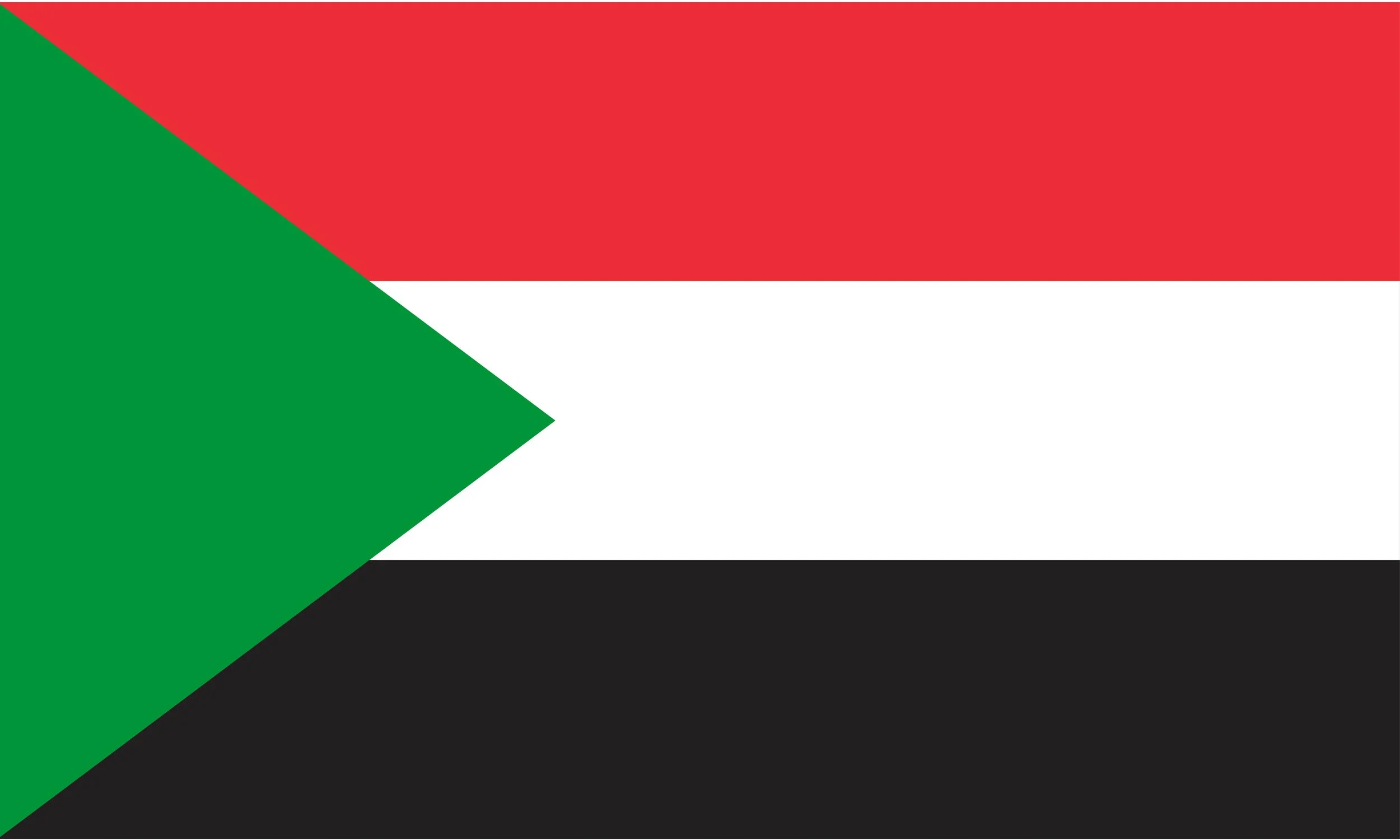
Flag of Sudan
Part of our series focused on places of conflict. Environmental Works is hanging the flag of Sudan to acknowledge the brutal civil war between rival military forces that continues to displace millions of people and destroy communities across that country. Since 2023, cities, towns, and villages throughout Sudan have been caught in violence that has killed tens of thousands of people and forced millions from their homes.
Behind the headlines are places that once held meaning: homes, schools, markets, mosques, and neighborhoods where people built their lives and relationships. As these places are damaged or abandoned, communities lose not only buildings but the social fabric and sense of belonging that make a place feel like home. In this conflict, women and girls have faced heightened risks of violence and displacement, underscoring how the loss of safe and stable places can have deeply unequal impacts.
At Environmental Works, our work is rooted in the belief that people and their places matter. The homes and community spaces we help create are meant to support dignity, stability, and connection. By hanging the flag of Sudan, we recognize the profound loss of place experienced by Sudanese communities and stand in quiet solidarity with those who hope to return, rebuild, and restore the places they call home.
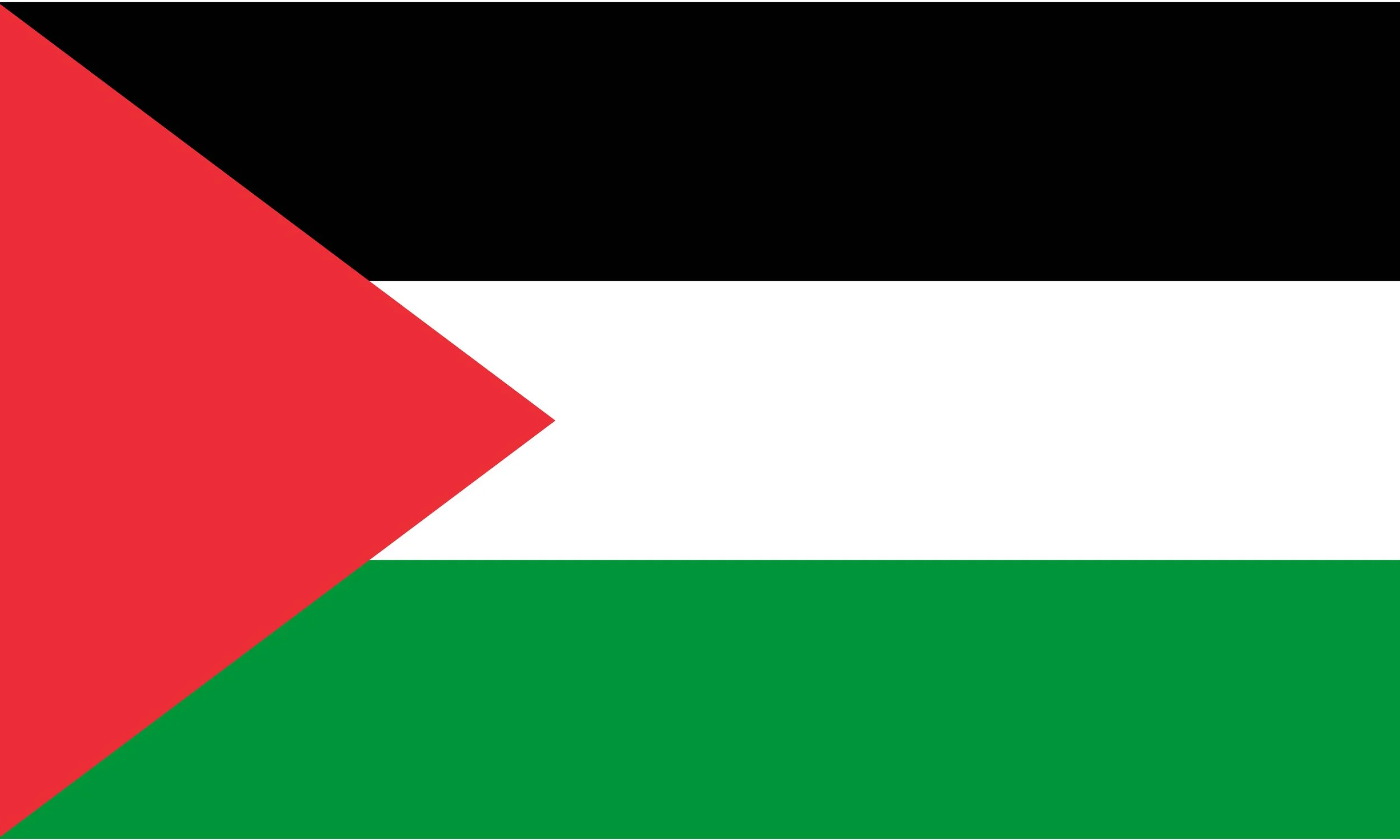
Flag of Palestine
Part of our series focused on places of conflict.
We mourn all those who have lost their lives in Palestine and Israel. The horrid events in Palestine and Israel on and since October 7, 2023 have called our attention to the long-standing, deeply complex, and emotionally charged Israeli–Palestinian conflict. We must name that October 7 included the murders and kidnappings of civilians—acts of violence that brought profound grief, terror, and trauma to families and communities. This is a deeply difficult time for everyone, but especially for those who have loved ones in the region.
While we mourn every loss of life in the region, we acknowledge the unevenness of the destruction. In July 2024, the International Court of Justice (ICJ) declared that Israel’s occupation and annexation of the Palestinian territories is unlawful and that its discriminatory laws and policies against Palestinians violate the prohibition on racial segregation and apartheid. In October 2025, the United Nations Special Rapporteur declared that Israel’s military occupation in Gaza is a part of “a collective crime, sustained by the complicity of influential Third States that have enabled longstanding systemic violations of international law by Israel. Framed by colonial narratives that dehumanize the Palestinians.”
We stand in support of the people of Palestine.
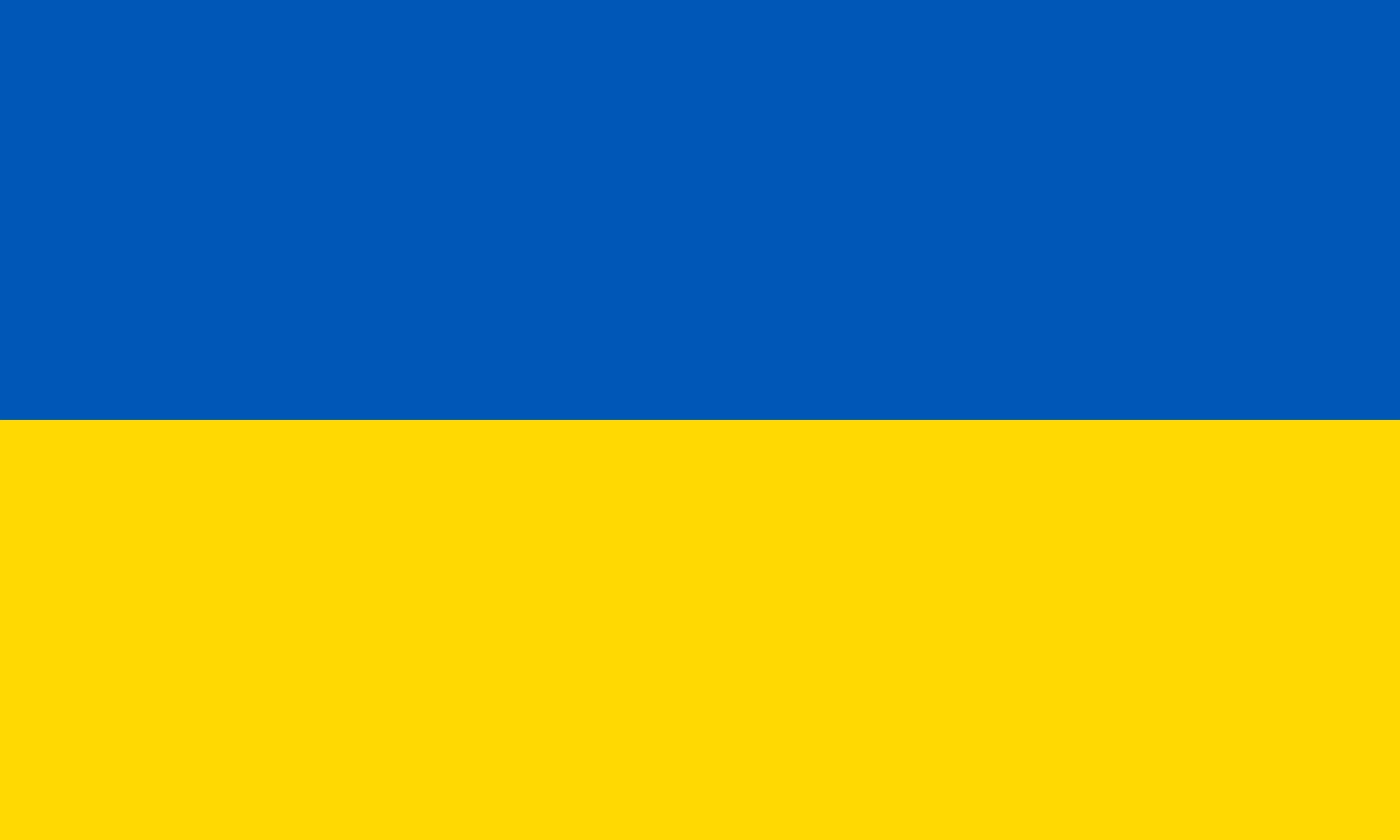
Flag of Ukraine
Part of our series focused on places of conflict.
We fly the Ukrainian flag to show our support and solidarity with the Ukrainian people, who are fighting a just war.
While condemning Russia’s unprovoked invasion of Ukraine, we don’t pretend that there are not other conflicts in the world. Just at the present moment, we know that people are also living in the midst of civil wars, conflict, genocide, and criminal violence in the Central African Republic, the Democratic Republic of Congo, Mexico, Myanmar, Palestine, Somalia, Sudan, and Yemen. Instead, we fly the Ukraine flag as an opportunity to reflect on the privilege of not being on the receiving end of genocides and attacks, and to show that national military policies have unintended consequences for peaceful people everywhere.
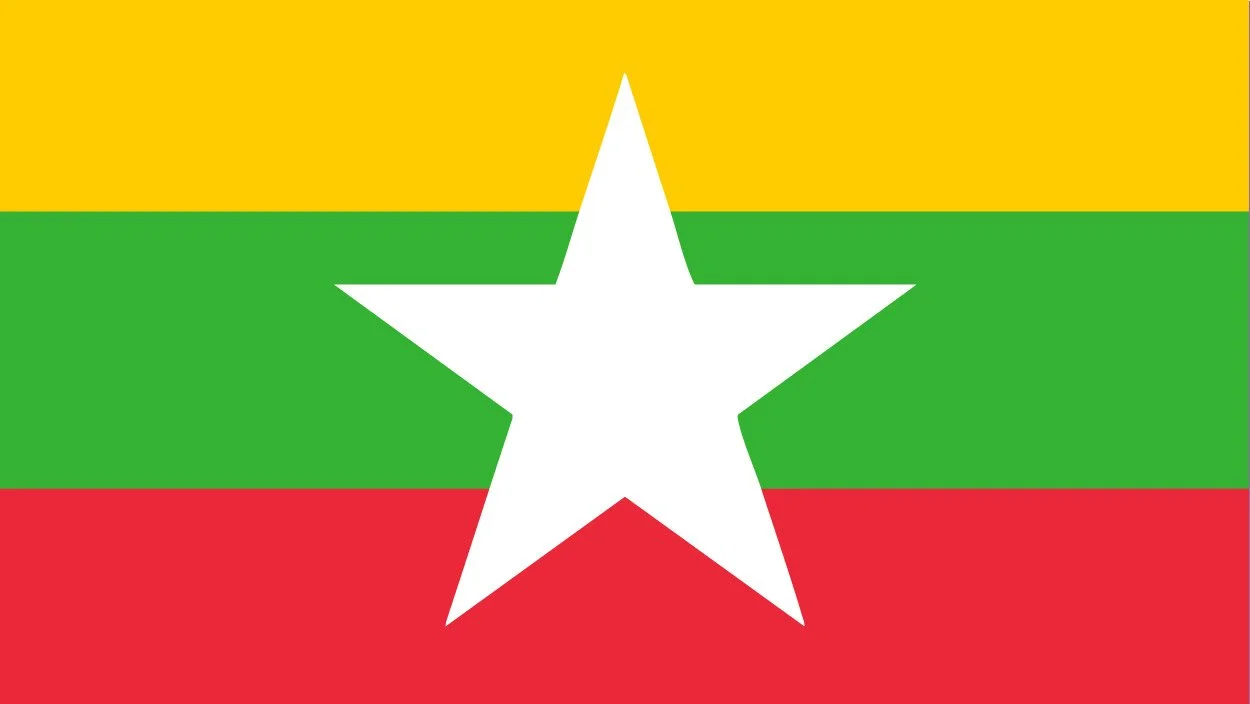
Flag of Myanmar
Part of our series focused on places of conflict.
We are deeply concerned about the escalating humanitarian crisis in Myanmar, where ongoing armed conflict and the recent devastating earthquake have compounded suffering across already vulnerable communities. As architects, landscape architects, and planners, we recognize that rebuilding physical infrastructure cannot be separated from the broader context of political instability, displacement, and human rights challenges.
We acknowledge with concern that the U.S. government’s response to this crisis has fallen short of past efforts. Cuts to international aid under the current administration have limited both the scale and speed of U.S. support in Myanmar at a time when global leadership is urgently needed. As civil society steps in to fill critical gaps, we urge renewed commitment to international solidarity and humanitarian responsibility.
Resilient built environments must be inclusive, locally driven, and designed with dignity in mind—even, and especially, amidst conflict.

American Indian Movement Flag
The American Indian Movement (AIM) is a grassroots movement for Indigenous rights, founded in 1968 in Minneapolis, Minnesota. Originally an urban-focused movement formed in response to police brutality and racial profiling, AIM grew rapidly in the 1970s and became the driving force behind the Indigenous civil rights movement.
AIM members and their allies have conducted some of the highest-profile protests and acts of civil disobedience in American Indian history. Although AIM split in two in 1993, its successors continue its legacy of fighting for Native American rights, holding the United States responsible for the dozens of treaties it has broken and drawing attention to the cause of Indigenous peoples around the world.

Kodomo no Hi - “Children’s Day”
In Japan, Kodomo no Hi is celebrated on May 5th to honor children’s unique personalities and celebrate their happiness!
Colorful koinobori (traditional carp-shaped windsocks) honor all the young children in our EW Family and beyond. Koinobori symbolizes strength, success, and perseverance, and carry our wishes for all children to grow up healthy, happy, and strong.
Take time to cherish the children in your life, and the joy they bring - Children's Day is a perfect excuse to bond and have fun together!

Disability Pride Flag
The Disability Pride Movement, gaining momentum since the late 20th century, aims to shift societal perceptions of disability from a deficit model to one of celebration and empowerment. Rooted in the belief that disability is an integral aspect of human diversity, this movement emphasizes the value and contributions of individuals with disabilities. Disability Pride events, parades, and advocacy campaigns promote self-acceptance, challenge stigma, and champion equal opportunities. By fostering a sense of pride in one's identity, the movement seeks to reshape cultural attitudes, promote inclusivity, and ensure that individuals with disabilities are recognized, respected, and fully integrated into all aspects of society.

Asian American And Pacific Islander Heritage Month
The first Asians documented in the Americas arrived in 1587. In 1992, the official designation of May as Asian Pacific American Heritage Month was signed into law. The month of May was chosen to commemorate the immigration of the first Japanese to the United States on May 7, 1843, and to mark the anniversary of the completion of the transcontinental railroad on May 10, 1869. During the month of May, communities around the country celebrate the culture, history, and achievements of Asian and Pacific Americans with festivals, government sponsored activities, and educational activities for students.

Pan-African Flag
Pan-Africanism brings together people of African descent worldwide in the pursuit of common political, social, and economic goals. Emphasizing solidarity and shared heritage, the movement advocates for the rights and well-being of Africans and the African diaspora. Visionaries like Marcus Garvey and W.E.B. Du Bois played influential roles, inspiring Pan-Africanism's growth. The movement has evolved over time, contributing to the liberation of African nations from colonial rule and fostering cultural pride. Today, it remains a force for promoting unity, combating racism, and advancing the interests of people of African descent globally.

Environmental Works Flag
Founded by students at the University of Washington on the first Earth Day in 1970, the Environmental Works logo was inspired by a blooming daffodil. Environmental Works was born to help those organizations and initiatives that needed professional expertise to launch, preserve, and sustain communities throughout greater Seattle. EW has evolved into a modern community design center serving nonprofit and institutional clients across Washington State. Each of our projects, from feasibility to completion, embodies the philosophy of our early days as described by founding board member, Dale Miller: “Bringing the resources, information, and education needed to communities with limited resources so that they could control the planning, design, and development of their own communities.”

Earth Day Flag
Earth Day, established on April 22, 1970, originated from the vision of Senator Gaylord Nelson in response to growing environmental concerns. Today, Earth Day serves as a crucial platform for global environmental awareness, education, and action, emphasizing the interconnected nature of environmental challenges and inspiring collective efforts to address them. It's a passionate advocacy for a future where our children can breathe clean air, drink pure water, and marvel at the wonders of nature. Let Earth Day be more than a celebration; let it be a commitment to nurture and protect the only home we have.

Feminism Flag
Feminism as a movement advocates for gender equality, challenging social norms that perpetuate discrimination based on gender. It seeks to empower women, promoting their political, economic, and social rights. In particular, we embrace a notion of feminism that is intersectional, meaning that feminism must also recognize that individuals face overlapping and interconnected forms of discrimination based on factors such as race, class, sexual orientation, ability, and more. Rooted in the belief that all individuals, regardless of gender, deserve equal opportunities, feminism strives to dismantle systemic barriers and foster inclusivity.

Vote Flag
Voting is the foundation of any viable democracy, as it empowers individuals to have a say in their government and the direction of our society, but full voting rights for all American citizens has only been enshrined in law since 1965 and continues to be under threat today. At Environmental Works, we believe voting is a fundamental right that ensures that the voices and concerns of citizens are heard and considered. Through the act of voting, people hold their elected representatives accountable, influence policies that impact our lives, and ultimately shape the future of their community and nation. Voting is a powerful tool for civic engagement and a vital way to bring about positive change, and we urge all citizens to exercise this important right.

End Gun Violence Flag
Halting gun violence in the United States is critical for the nation's safety, unity, and prosperity. The pervasive threat of firearms jeopardizes lives daily, causing immeasurable suffering and fracturing communities. It is pivotal to implement effective gun control measures, address underlying societal issues, and promote responsible firearm ownership. By prioritizing the reduction of gun violence, the United States can cultivate a safer environment, enhance public trust, and fortify the foundations of a harmonious society. The imperative to act underscores the importance of safeguarding lives, preserving social cohesion, and securing a future free from the devastating impact of gun-related incidents.
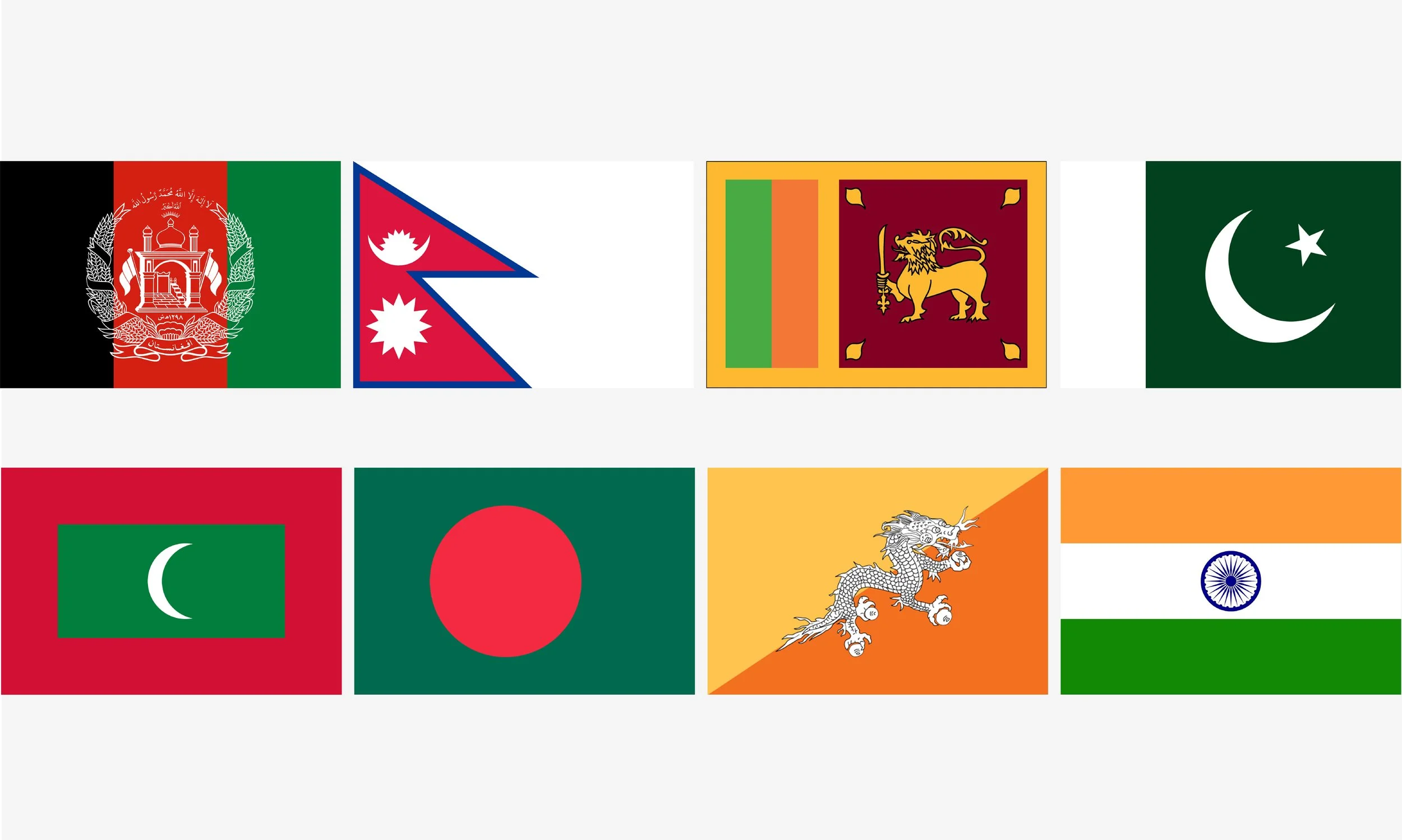
South Asian Heritage Month
South Asian Heritage Month began in the United Kingdom in 2020 as a celebration and exploration of South Asian cultures, histories, and communities. It recognizes the extraordinary diversity of people with roots in Afghanistan, Bangladesh, Bhutan, India, the Maldives, Nepal, Pakistan, and Sri Lanka, as well as South Asian diaspora communities around the world.
South Asia is home to hundreds of languages, many faiths, traditions, and distinct histories. South Asian Heritage Month celebrates that diversity while recognizing the connections between communities and the many ways South Asian culture, creativity, knowledge, and traditions continue to shape communities around the world. The 2026 theme, Unity in Diversity, celebrates both the breadth of South Asian identities and the shared histories, values, and experiences that connect them.
Beginning in 2026, South Asian Heritage Month is observed from July 1–31. From 2020 through 2025, it was held from July 18 to August 17, a period connected to significant dates in the independence and Partition histories of South Asia. The move to July reflects the observance’s growth from a UK-based initiative into a broader global celebration.
In line with South Asian Heritage Month’s geographical classifications, we include all eight South Asian Association for Regional Cooperation nations: Afghanistan, Bangladesh, Bhutan, India, Maldives, Nepal, Pakistan, and Sri Lanka.

Pride Progress Flag
Every June, people around the world celebrate Pride month to support and honor the LGBTQIA+ community. Pride didn’t start as a party, but as a riot. It's the anniversary of the Stonewall Uprising, which began June 28, 1969 when New York City police raided the Stonewall Inn, a gay club located in Greenwich Village. The raid sparked a riot among bar patrons and neighborhood residents as police violently hauled peaceful patrons and employees out of the bar, leading to six days of protests and clashes with law enforcement. The Stonewall Riots sparked the gay rights movement. While Pride is a chance to show public support of our friends, family, colleagues, and selves, it is important to reflect on the origins of the movement, and how much work lies ahead: a raft of bills currently proposed in states all over the country target transgender youth, immense and organized opposition to compassionate and inclusive policies to protect our most vulnerable people, Black transgender women being murdered at a terrifying rate, and LGBTQIA+ youth experiencing alarming rates of homelessness. Pride month is a good time to show love and to re-commit ourselves to the courageous fights still ahead.

Warming Stripes Flag
Climatologist Ed Hawkins designed this "Warming Stripes" flag as a visualization of our planet's warming over time. The progression from blue (cooler) to red (warmer) stripes portrays the long-term increase of average global temperature from 1850 .

Peace Flag
The peace symbol was created in 1958 by British artist and designer Gerald Holtom. Holtom designed the symbol for use in the Campaign for Nuclear Disarmament, a British anti-nuclear organization. The symbol was first used in a march from London to the Atomic Weapons Research Establishment in Aldermaston, England. Over the years it has become one of the most recognizable symbols in the world, and its meaning has expanded beyond its initial anti-nuclear origins to encompass an overarching message of peace, unity, and social justice.
Peace Flag
In September, we displayed flags from the Peace Flag Movement, in honor of the International Day of Peace. The UN established September 21st as the International Day of Peace in 1981, and in 2001 designated the holiday as a cease-fire. With a design referencing the Italian Pace da Tutti i Balconi movement in protest of the US invasion of Iraq in 2002, the Peace Flag Movement works to build solidarity and connection through the distribution of flags.

Climate Change is Real Flag
Climate change is undeniably real. It’s here, and it’s happening at a terrifying rate. Overwhelming scientific evidence points to rising temperatures, extreme weather events, and melting ice caps. The consequences—threatened ecosystems, sea-level rise, and disrupted weather patterns—affect us all. We can no longer entertain ignorance about climate change, and urgent action is imperative to mitigate these impacts, transition to sustainable practices, and preserve the planet for future generations. The reality of climate change demands a collective commitment to environmental stewardship and a sustainable future.

Transgender Pride Flag
Conceived by Monica Helms, an openly transgender American woman, the Trans flag debuted in 1999. The blue and pink stripes at the top and bottom represent ‘traditional’ masculinity and femininity. Meanwhile, the white stripe represents movement members who identify as intersex, gender-neutral, or transitioning. According to Helms, the flag is symmetrical, so “no matter which way you fly it, it is always correct, signifying us finding correctness in our lives.”

United Farm Workers Flag
In 1962, Cesar Chavez and Dolores Huerta founded the United Farm Workers with a mission to organize the Mexican agricultural workers and improve their working conditions, mostly in California. For two decades they attempted to raise public awareness to the struggles of the farm workers for better pay and safer working conditions. They eventually succeeded, using nonviolent tactics, boycotts, pickets, strikes, and hunger strikes. Richard Chavez designed the UFW black eagle and his brother Cesar Chavez chose the black and red colors for their flag design; white for their hope, black for their struggle, and red for their sacrifice. The black eagle became a powerful symbol for the farm workers and their supporters. Sometimes the flag shows the words "Si se puede" (yes, we can) added to the basic design within the circle of hope.